



Imagine you wake up to find out a storm hit your shipment. You feel panic. Your cargo might be soaked, broken, or even missing. Every year, storms and bad weather cause huge problems for shipments all over the world.
- Temperature swings damage about 15% of all cargo, especially things like electronics and medicine.
- Humidity over 60% can ruin food in just two days.
- Rain sneaks past weak seals and costs businesses billions.
You start to wonder, “Will I get my money back?” This is where having the right cargo insurance makes all the difference. When disaster strikes, Insurance Claim Recovery can save your business and your peace of mind.
Key Takeaways
- Act quickly after storm damage. Inspect your cargo, document everything with photos, and notify your insurance provider right away.
- Keep all damaged goods and packaging until your claim is settled. This helps if the insurance company wants to inspect them.
- Gather all necessary documents before filing your claim. Include your insurance policy, bill of lading, and clear photos of the damage.
- Communicate with your shipping partners and clients immediately. Good communication helps keep everyone informed and speeds up the claim process.
- Review your insurance policy carefully. Understand what is covered and what is not to avoid surprises during the claims process.
Storm Damage
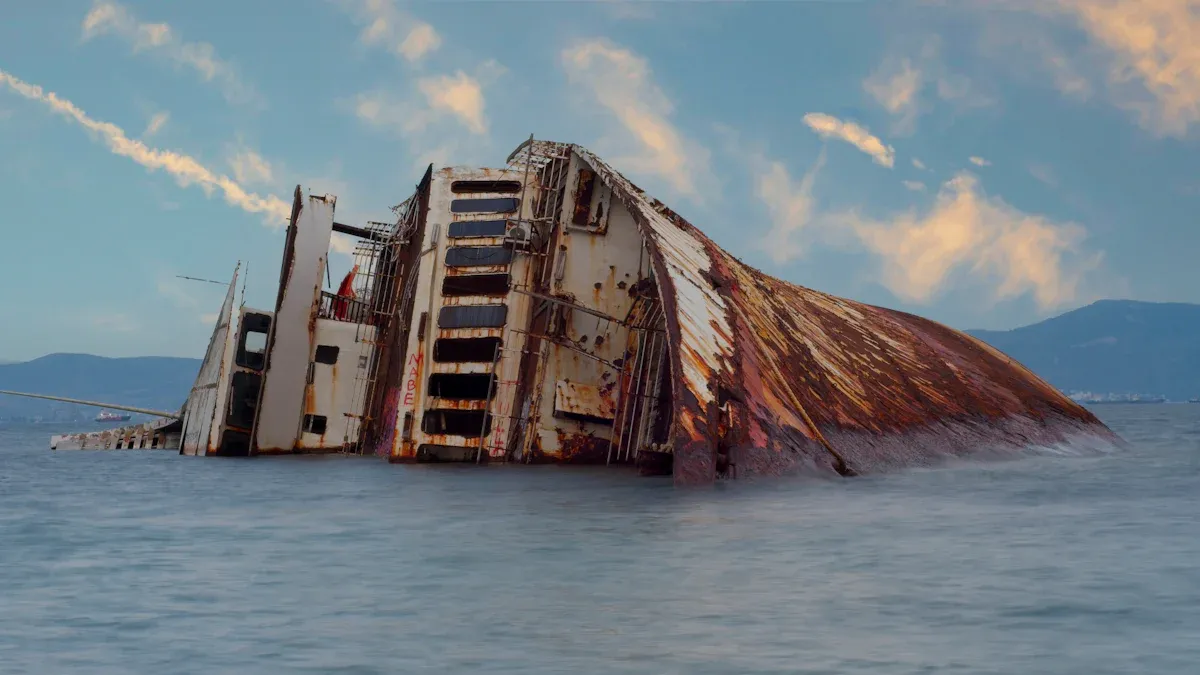
Incident Overview
You probably remember the feeling when you first hear about a storm hitting your shipment. Your mind races. You wonder what kind of damage your cargo might face. Storms can cause all sorts of problems for shipments. Some of the most common types of cargo damage include:
| Type of Damage | Description |
|---|---|
| Physical damage | Damage from mishandling, poor weight distribution, or weak packaging. |
| Water damage | Damage caused by water from leaks, rain, or high humidity. |
| Contamination | Damage from unsafe or polluted cargo due to poor storage or cleaning. |
| Infestation | Damage from pests that can ruin food or medicine. |
| Reefer damage claims | Damage to refrigerated goods when temperature control fails. |
When the storm hit our shipment, we faced a real mess. Boxes arrived soaked. Some packages looked crushed. A few items even went missing. After checking everything, we realized the estimated financial loss was huge—about $50,000. That number can make anyone’s heart sink.
Assessing Losses
You need to act fast after a storm. The first thing you do is check every box and pallet. You look for wet spots, broken seals, or missing items. You take photos and write down every detail. This step helps you later when you file your insurance claim.
Here’s a simple process you can follow to assess your losses:
- Inspect the cargo and document the damage with photos and notes.
- Notify your insurance provider and your clients right away.
- Record every detail of the incident, including the date, time, and location.
- Save all evidence, like witness statements and digital records.
- File your insurance claim as soon as possible with all the documents ready.
Tip: The more details you collect now, the smoother your insurance claim will go. Don’t skip any steps, even if you feel rushed. Every photo and note can help you recover your losses.
Immediate Response
Damage Documentation
When you first see the damaged cargo, you might feel overwhelmed. Take a deep breath. Your next steps matter a lot. Start by grabbing your phone or camera. Snap clear photos of every damaged box and item. Make sure you get close-ups and wide shots. Write down what you see. Note the date, time, and where the damage happened.
You will need to gather some important documents to support your Insurance Claim Recovery. Most cargo insurers ask for:
- Your insurance policy
- The bill of lading
- A commercial invoice
- The packing list
- A survey report if you have one
- The claim form
- Photos or videos of the damage
- Emails or messages with your carrier
- Any repair estimates or invoices
- Proof of the value of your goods
Tip: Keep all packaging and damaged items in their original state. This helps if the insurance company wants to inspect them.
Stakeholder Communication
You cannot handle this alone. You need to talk to your shipping partners and clients right away. Good communication keeps everyone on the same page and helps your claim move faster.
Here is a simple way to manage this:
- Inspect the shipment as soon as it arrives. Take photos and note any damage on the bill of lading.
- Notify your logistics partner right away. This starts the claim process.
- Hold onto all packaging and products. Do not throw anything away until the insurance adjuster says it is okay.
- Gather and send all documents quickly. This includes the claim form, commercial invoice, and photos.
If you follow these steps, you will make the Insurance Claim Recovery process much smoother. Fast action and clear records help you get paid faster and keep your business running.
Insurance Claim Recovery
Filing the Claim
When you face storm damage, you need to act fast. Filing your claim quickly helps you get your money back sooner. Here’s how you can handle the Insurance Claim Recovery process step by step:
- Notify everyone involved. Tell your insurance provider, your carrier, and your freight forwarder about the damage right away.
- Start your claim. Fill out the claim form. Include your policy number, a description of the goods, and how much you think you lost.
- Collect your documents. You need things like the bill of lading, commercial invoice, shipping labels, and clear photos of the damage. Keep everything organized.
- Work with the insurance team. Sometimes, the insurer will want to inspect the cargo or ask you questions. Stay ready to help.
- Prevent more damage. Move your goods to a safe place if you can. This shows you did your part to stop further loss.
- Negotiate if needed. Review the settlement offer. If you think it’s too low, you can talk to the insurer and explain your side.
Here’s a quick look at the usual timeline for Insurance Claim Recovery:
| Stage | Duration |
|---|---|
| Initial Notification | 1-2 days |
| Claim Form Submission | 3-5 days |
| Claim Assessment | 7-14 days |
| Investigation | 14-30 days |
| Negotiation and Settlement | 7-14 days |
| Payment Processing | 3-5 days |
Tip: The faster you gather your documents and photos, the faster your claim moves forward.
Overcoming Challenges
You might run into problems during the Insurance Claim Recovery process. Some claims get delayed or denied. Here are the most common issues and how you can solve them:
| Challenge | Problem Description | Solution Description |
|---|---|---|
| Incomplete Documentation | Claims can be delayed or denied if necessary documentation is missing or incomplete. | Make a checklist of all needed documents. Double-check before you send them. |
| Missed Claim Deadlines | Missing strict timelines for submitting claims can invalidate them. | Set reminders on your phone or computer so you never miss a deadline. |
| Insufficient Evidence of Damage | Claims may be denied if provided photos don’t clearly show the damage. | Take clear photos from different angles. Use videos if possible. |
| Confusion Over Coverage Terms | You may find out your policy didn’t cover certain damage after the fact. | Read your policy carefully or ask your insurance agent to explain it to you. |
| Slow Processing Times | Claims can get stuck in long queues, delaying reimbursement. | Stay in touch with your insurer. Reply quickly when they ask for more information. |
If your claim gets denied or delayed, don’t give up. Here’s what you can do:
- Read the denial letter carefully.
- Gather more evidence if you need to.
- Check your policy for coverage and exclusions.
- Write a formal appeal letter that answers each point in the denial.
- Send your appeal with all your documents.
- Follow up with your insurance company often.
- Ask a professional for help if things get tough.
Note: Early action and complete paperwork make Insurance Claim Recovery much smoother.
Securing Payment
You want to get paid as soon as possible. There are two main ways insurers pay out claims: quick payout and full payout.
| Settlement Type | Payout Percentage | Time to Resolution |
|---|---|---|
| Quick Settlement | Usually 80-90% of value | 3-7 days |
| Full Value Settlement | Up to 100% of value | 10-30 days |
- Quick payout works best if you need money fast and have simple proof, like photos of damaged boxes. You usually get 80-90% of your claim amount within a week.
- Full payout takes longer but covers the full value. You need more documents, like payment records, refund records, and official reports. This can take up to a month.
To get a full payout, make sure you have:
| Document Type | Description |
|---|---|
| Transportation Documents | Bill of Lading, Airway Bill, or similar papers. |
| Delivery Documentation | Proof of delivery, signed by the receiver, showing the condition of the goods. |
| Statement of Claim | Details of what was lost or damaged and how it happened. |
| Value Verification | Invoices or sales contracts showing how much the goods are worth. |
| Photographs or Video Evidence | Clear images or videos of the damage. |
| Damage Report or Survey | A report from a third-party expert about the damage and repair costs. |
| Claim Letter | A formal letter explaining what happened and how much you are claiming. |
| Proof of Value | More documents showing the value, like repair estimates. |
Tip: Keep all damaged goods and packaging until your claim is settled. This helps if the insurer wants to inspect them.
What’s Covered and What’s Not
Most international small parcel insurance policies cover the value of your goods and shipping costs. But some things are not covered, like:
- Coins, banknotes, and currency notes
- Securities, stocks, and bonds
- Precious stones, jewelry, and watches
- Items that are not packed properly
- Prohibited or fragile items
If you under-declare the value of your goods or ship items not allowed by your policy, your claim might be denied or only partly paid.
Real-World Success Stories
Let’s look at a real example. In Vietnam, a company shipped high-value electronics. A typhoon hit, and water ruined the cargo. The surveyor found that the container had a faulty door gasket, which meant the damage was not just from the storm. The company used this evidence to prove their case and got a full payout, even though the carrier tried to blame the weather.
Another story comes from an electronics distributor. Their container ship sank in a storm in the Pacific. Thanks to their cargo insurance, they recovered over $500,000. This let them restock quickly and keep their customers happy.
Remember: Insurance Claim Recovery is possible if you act fast, keep good records, and know your policy.
Lessons and Tips
Cargo Protection
You want your cargo to arrive safe, even when storms hit. Start by checking your packaging. Use strong materials like corrugated cardboard boxes, wooden crates, or vacuum-sealed bags. Secure everything with straps or chains so nothing shifts during the trip. Make sure you fill empty spaces to stop items from moving around.
- Always use water- and wind-resistant packaging.
- Store your goods in places that do not flood easily.
- Watch the weather. Change your shipping plans if a storm is coming.
- Talk to your carrier often. Let them know about any changes.
- Track your shipment in real time. Get alerts if something goes wrong.
Tip: After a big storm, review what happened. Look for ways to make your process better next time.
You can also try using different carriers or routes. This helps if one path gets blocked by bad weather. When you take these steps, you lower the risk of damage and keep your business running smoothly.
Maximizing Insurance Claims
Getting the most from your insurance claim takes planning. Here are some steps you can follow:
- Pick carriers with a good record for handling claims.
- Know the risks for your route and cargo. Use security measures at storage sites.
- Write clear contracts. Make sure they explain who is responsible for what.
- Pack your goods with care. Poor packaging can lead to denied claims.
- Keep detailed records for every shipment. Save photos, invoices, and delivery notes.
- Be ready for inspections. Carriers may want to check damaged goods.
- File your claim on time. Late claims can get denied.
Note: If you do not act fast or miss paperwork, you might lose out on Insurance Claim Recovery.
After an incident, review what went wrong. Update your process so you do not repeat mistakes. Good records and quick action help you get paid faster and avoid problems in the future.
You can bounce back from cargo damage if you act fast and know your insurance policy. Always document losses, notify your insurer right away, and keep damaged goods for inspection. Understanding your coverage helps you avoid surprises and boosts your claim’s success. Here’s what you should do next time:
- Map out risks and spot weak points in your shipping route.
- Use strong packaging and have backup plans ready.
- Gather all documents and photos before filing your claim.
Stay prepared, and you’ll protect your shipments and your business every step of the way.
FAQ
What documents do I need to file a cargo insurance claim?
You need photos of the damage, your bill of lading, a commercial invoice, and proof of value. Keep all packaging and damaged goods. These help your claim move faster.
How fast can I get my insurance payout?
You can get a quick payout in about 3-7 days if you provide clear photos and basic documents. Full payouts take longer, usually up to 30 days, because you need more paperwork.
Does insurance cover all types of cargo damage?
Insurance covers most damage from storms, theft, or loss. Some items, like cash, jewelry, or banned goods, are not covered. Always check your policy for details.
What should I do if my claim gets denied?
Read the denial letter. Gather more evidence if needed. Write an appeal and send it with your documents. Stay in touch with your insurance company. Don’t give up!