
You can see this change everywhere now. Transparent pricing is more important than just low prices. People want companies to be honest about costs. They also want to know how their data is used. More than 86% of people want privacy rights. About 63% think companies are not open enough. Brands that only care about cheap prices have problems. They may have supply chain issues and face rules they cannot meet. After the pandemic, 57% of Chief Procurement Officers felt unsure in 2025. Also, 90% think things will get harder. You need to change your sourcing plan to build trust and be reliable.
Key Takeaways
- Transparency in sourcing helps people trust you. Customers want to know where things are made. They also want to know how prices are decided.
- If you only care about low prices, problems can happen. You might face hidden costs and bad quality. Pick suppliers who care about transparency to stay safe.
- Technology like blockchain can make things clearer. It lets you track products and share info easily.
- Following ESG standards makes your brand stronger. It shows you care about doing the right thing. It also matches what customers want.
- Good supplier relationships are very important. Talking openly and working together helps everyone do better.
Transparency vs. Low Prices

Defining Transparency
You should know what transparency means in sourcing. Top companies say transparency is tracking and sharing supply chain steps. You can check transparency by seeing if rules are followed. You also look at how decisions are made and how suppliers do their jobs. Sharing information helps you build a good reputation.
Supply chain transparency means sharing where goods come from and how they are made. This helps people take responsibility and follow rules.
Transparency is not just about showing prices. Transparent pricing shows the real costs of products and services. You learn where your money goes. You see how suppliers set prices. This makes it easier to trust companies.
Many groups now care about the environment and social responsibility. They also care about how companies are managed. Procurement is now a strategic job, not just a simple task. You want to know if what you buy is good for people and the planet. More than 70% of shoppers care about sustainability. Companies that share clear sourcing details earn more trust.
Governments want companies to share more about their supply chains. For example, the European Union has a rule called Corporate Sustainability Reporting Directive. It makes businesses report risks to the environment and society. Transparency is not just popular. It is now a key part of procurement.
Cost-Focused Sourcing
You might think low prices help your business save money. Cost-focused sourcing means picking the cheapest suppliers. You try to spend less and work better.
- A good sourcing plan helps your business run well.
- Cutting waste is important for saving money.
- Sourcing with transparency adds ethics to your choices.
| Practice | Description | Effectiveness Comparison |
|---|---|---|
| Long-term value creation | Build strong supplier relationships for future benefits. | Better for working together. |
| Supplier relationship management | Keep good connections with suppliers. | Improves transparency and ethical sourcing. |
| Risk management | Find and lower risks in sourcing. | Needed for both cost and transparency sourcing. |
Cost-focused sourcing saves money for a short time. But it does not always build trust or help you grow. Strategic sourcing makes buying easier and builds better supplier ties. Focusing on long-term value matches with transparency.
Transparent pricing gives you more than just a cheap price. You learn the full story behind the price. You make smarter choices and avoid hidden problems. You also support ethical sourcing and build a reputation for honesty.
Drivers of Transparency
Consumer Expectations
People want different things from brands now. Trust is very important to them. They want to know where products come from. They also want to know how prices are set. People look for brands that are honest. Brands should share clear information. If you show transparent pricing, people will trust you. This helps them stay loyal to your brand.
| Statistic | Finding |
|---|---|
| 71% | Consumers think trust decides if they buy or not. |
| 63% | People support brands with strong values, even if it costs more. |
| 76% | Most people need clear product information. |
| 80% | Many use digital tools to learn about products. |
| 56% | U.K. shoppers check QR codes for product details. |
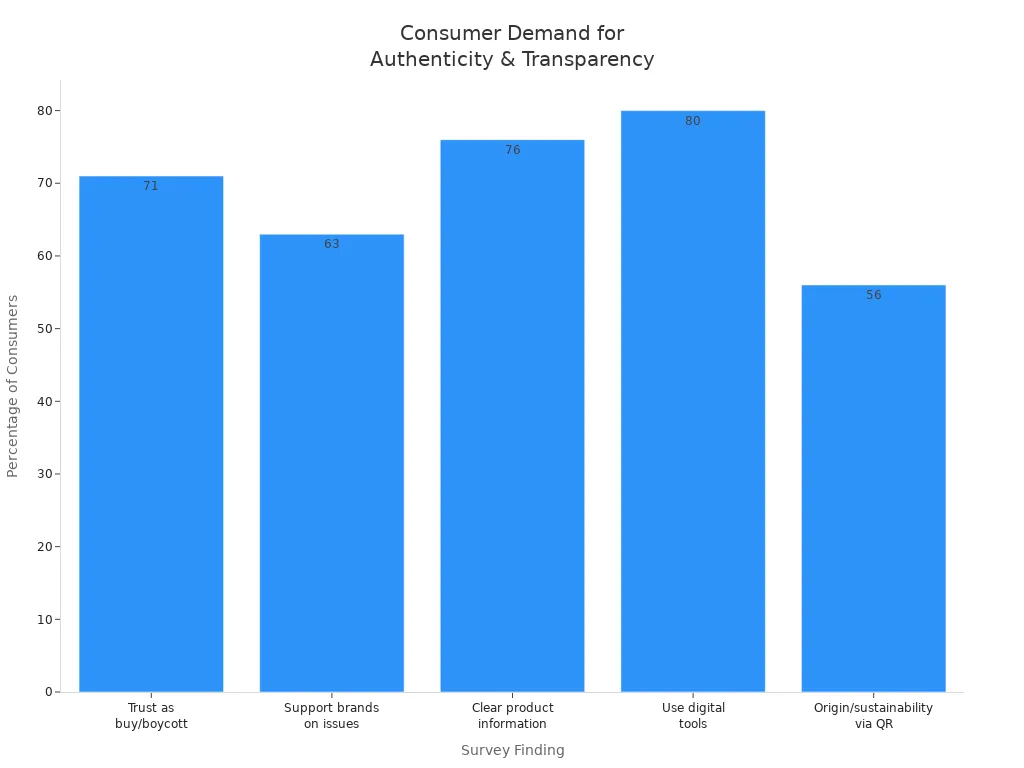
Note: Most shoppers use their phones to check products. They want proof that your business does the right thing.
Supply Chain Reliability
A strong supply chain keeps your business working well. Using transparency helps you find problems early. You can fix these problems before they get worse. This means you can give better products to customers. It also keeps your customers happy.
- 78% of electronics companies saw happier customers after making supply chains clearer.
- Finding problems early keeps quality good.
- Talking openly builds trust with suppliers.
Transparent pricing helps you see all costs. You know what you pay for. This helps you plan and stops surprises.
Regulations
You have to follow new rules about being open. Governments want you to share more about your business. These rules protect customers and make things fair.
| Regulation | Description |
|---|---|
| US Corporate Transparency Act | Makes a list of who owns companies to show more about company structures. |
| Health Care Pricing Transparency Executive Orders | Makes hospitals and insurers show prices to help people understand health care costs. |
Tip: Watch for new laws. Following rules keeps your business safe and helps customers trust you.
Risks of Cheap Sourcing
Hidden Costs
You may think picking the lowest price saves money. But cheap sourcing often brings extra costs that hurt your business. These costs do not show up right away. Over time, they add up and cause problems. You might have slow steps, more work, and wasted supplies. If you choose suppliers just for price, you can lose control over quality. You may also spend more fixing mistakes.
| Hidden Cost Type | Description |
|---|---|
| Process Inefficiencies | Slow or broken steps in buying that make everything cost more. |
| Labor Burdens | Extra work for your team, like handling shortages or fixing mistakes. |
| Supply Chain Frictions | Delays and problems that make your supply chain less smooth. |
| Quality Failures | Bad products that need to be fixed or replaced. |
| Maverick Spending | Buying outside approved channels, which leads to higher costs. |
| Inventory Management Costs | Money spent storing goods and tying up cash in stock. |
| Opportunity Costs | Skilled workers spend time on low-value tasks instead of important work. |
| Logistics Costs | Manual shipping work that takes time and adds up in cost. |
Note: Fixing these problems can cost more than you save by picking the cheapest supplier.
Reputational Damage
Your brand’s reputation is important. Choosing cheap suppliers can hurt how people see your business. Customers remember when things go wrong. For example, Mattel had to recall many toys because of lead paint. This mistake cost them money and trust. In 2024, a survey showed most product recalls happened because of supplier problems. These recalls caused delays and made customers trust brands less.
| Example | Consequence |
|---|---|
| Mattel’s 2007 toy recall | Lost trust and money due to unsafe products. |
| 2024 ETQ survey findings | Most recalls linked to supplier problems, causing delays and extra costs. |
Tip: Pick suppliers who care about quality and transparency to keep your reputation safe.
Business Risks
Cheap sourcing can bring big risks for your business. You might get broken goods or have quality problems. Political problems can stop or slow down shipping. New rules can make things cost more. Bad roads or ports can cause late deliveries and extra fees. Cultural differences can lead to mistakes and bigger issues.
- Broken goods can hurt your brand and cost more.
- Bad quality makes customers unhappy.
- Political problems can stop shipments.
- New rules can raise costs fast.
- Shipping delays waste time and money.
- Extra costs can erase savings.
- Cultural differences can cause mistakes.
You make your business stronger when you focus on quality and transparency, not just price.
Transparent Pricing Strategies
Transparent pricing helps you earn trust. It also helps you make smart choices. There are many ways to make sourcing open and reliable. These steps help you work with suppliers. They help you use new technology. They also help you focus on ESG goals.
Supplier Collaboration
Working with suppliers is important for transparent pricing. When you share goals, everyone benefits. Here are some ways to work better together:
- Set clear goals and talk often with suppliers.
- Check how things are going together.
- Use shared data to find problems early.
Dell worked with suppliers and saved money. They also became stronger in the market. H&M worked with suppliers to reach sustainability goals. They checked performance together to stay honest.
Teams that talk well do better work. Clear jobs and regular updates help everyone know what is happening.
Technology Use
Technology makes transparent pricing easier. You can track every step with good tools. Here are some top choices:
- Blockchain shows where products come from.
- AI helps you spot problems and get better deals.
- Dashboards show updates for everyone.
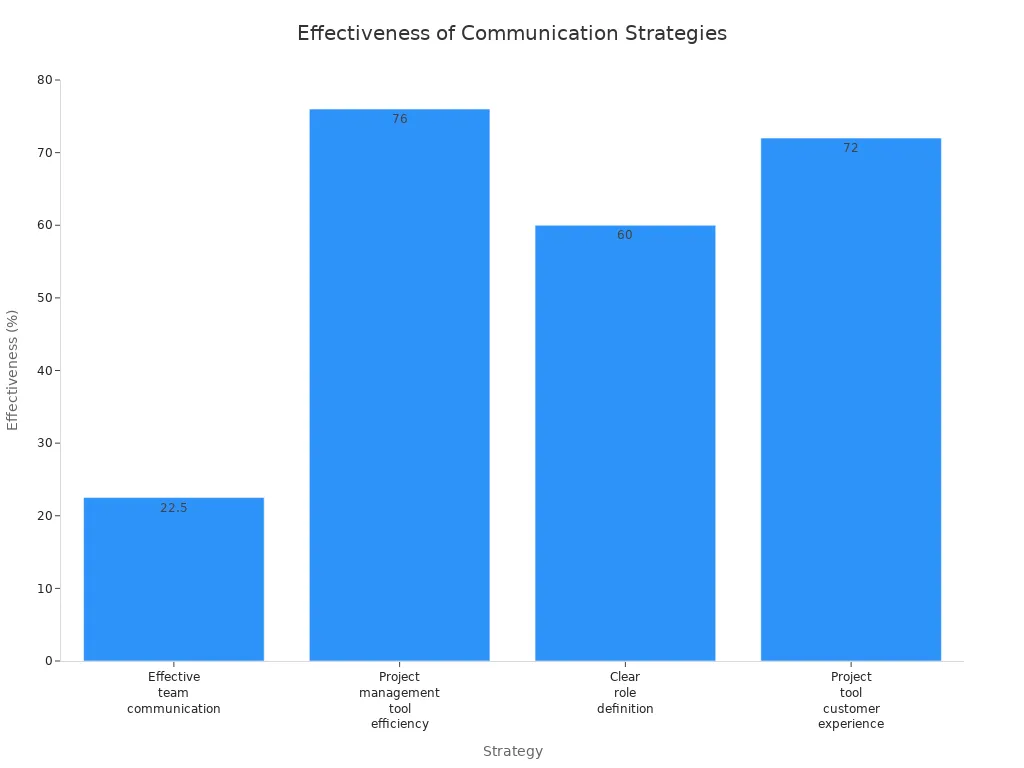
Blockchain helps people trust the information. AI makes sourcing faster and smarter. Project tools help teams work together and share updates.
ESG Integration
Adding ESG goals makes your business stronger. ESG software tracks how suppliers treat people and the planet. You can see if they meet your standards.
- ESG tools help you report your progress.
- You can track energy use, safety, and fair pay.
- Schneider Electric and Estée Lauder use ESG data to show their impact.
Transparent pricing and ESG work together. They help you build trust and lower risks. They also help you save money in new ways. Using these strategies shows customers and investors you care about doing the right thing.
| Measurable Benefit | Description |
|---|---|
| Brand Trust and Reputation | Open sourcing builds loyalty and trust with customers. |
| Risk Mitigation | Ethical sourcing lowers problems and spreads risk. |
| Investor and Stakeholder Confidence | Responsible sourcing shows you are ready for new rules. |
| Operational Efficiency and Innovation | Good practices help you save money and find new ways to work. |
Adapting for 2025

Transition Steps
You can change your sourcing plan by taking simple steps. Start with digital procurement platforms. These tools put all your sourcing in one place. They make it easy to track what you buy. Next, use blockchain technology. Blockchain lets you follow every product in your supply chain. You see where things start and how they move. Share data with suppliers and partners. This helps everyone trust each other. It also helps you find problems early.
Pick suppliers who follow ESG standards. This supports the planet and people. It matches new rules and what buyers want. You also make your brand stronger. Here are some steps you can try:
- Use technology to see what you spend.
- Build better supplier relationships.
- Care about sustainability and ESG numbers.
Tip: Working with ESG-focused suppliers makes your brand look good. It also helps you get ready for the future.
Many companies have already made these changes. Bertelsmann brought all buying together in seven groups. This made everything clear and built trust with others. RBI put all their data in one place and made a strong plan. They got better at buying and followed the rules. A big electronics company worked closely with suppliers. They made products faster and saved money.
| Company | Key Strategies | Outcomes |
|---|---|---|
| Bertelsmann | Brought buying together in 7 groups | Clear process, more trust |
| RBI | Centralized data and made a strong plan | Better buying, followed rules |
| Major Electronics Company | Worked closely with suppliers | 20% faster products, 15% lower costs |
Overcoming Challenges
You may have problems when you try to be more open. Sometimes you cannot see everything in your supply chain. Digital tools like blockchain help you see it all. Managing suppliers and risks is also hard. You need suppliers you can trust. Use risk checks to watch and help your suppliers do better.
It is tough to save money and keep good quality. Advanced analytics help you make smart choices. You see where your money goes and how to get more value. New technology can be hard to use. Train your team and pick tools that work for you.
You also have to follow many rules. Stay up to date and use tools to help with rules. It can be hard to find different kinds of suppliers. Look for new suppliers and set goals for diversity.
- Use digital tools to see your supply chain.
- Check and manage supplier risks.
- Use analytics to help you decide.
- Keep up with new rules.
- Set goals to work with many types of suppliers.
Note: You can solve these problems with technology, strong supplier ties, and a focus on ESG.
You need to be open and clear about prices to do well in sourcing for 2025. The table below explains why this is important:
| Key Point | Explanation |
|---|---|
| Importance of Transparency | Hard markets need open sourcing steps. |
| Regulatory Pressures | New rules want clear supply chain views. |
| Consumer Expectations | People want honest and fair companies. |
| Risk Mitigation | Being open helps you find and fix problems early. |
| Brand Reputation | Open actions help customers trust you. |
| Technological Capabilities | New tools make tracking simple. |
If you only care about low prices, you can have supplier trouble, bad quality, and higher costs. Many companies have supply chain problems and lose trust when they are not open. Start using new technology and make strong ties with suppliers now. This will help you be ready for what comes next. Make being open your main goal to keep your business safe and earn trust.
FAQ
What does transparency in sourcing mean?
Transparency in sourcing means you can see where products come from and how suppliers set prices. You get clear information about every step in the supply chain.
Why should you care about transparent pricing?
Transparent pricing helps you trust your suppliers. You know what you pay for and avoid hidden costs. This builds stronger business relationships.
How can technology help you achieve transparency?
You can use tools like blockchain and dashboards. These tools let you track products and share updates with your team. Technology makes it easier to spot problems early.
What risks do you face if you only focus on low prices?
You may face poor quality, hidden costs, and damage to your brand. Cheap sourcing can lead to supplier problems and lost trust from customers.